March 6, 2026
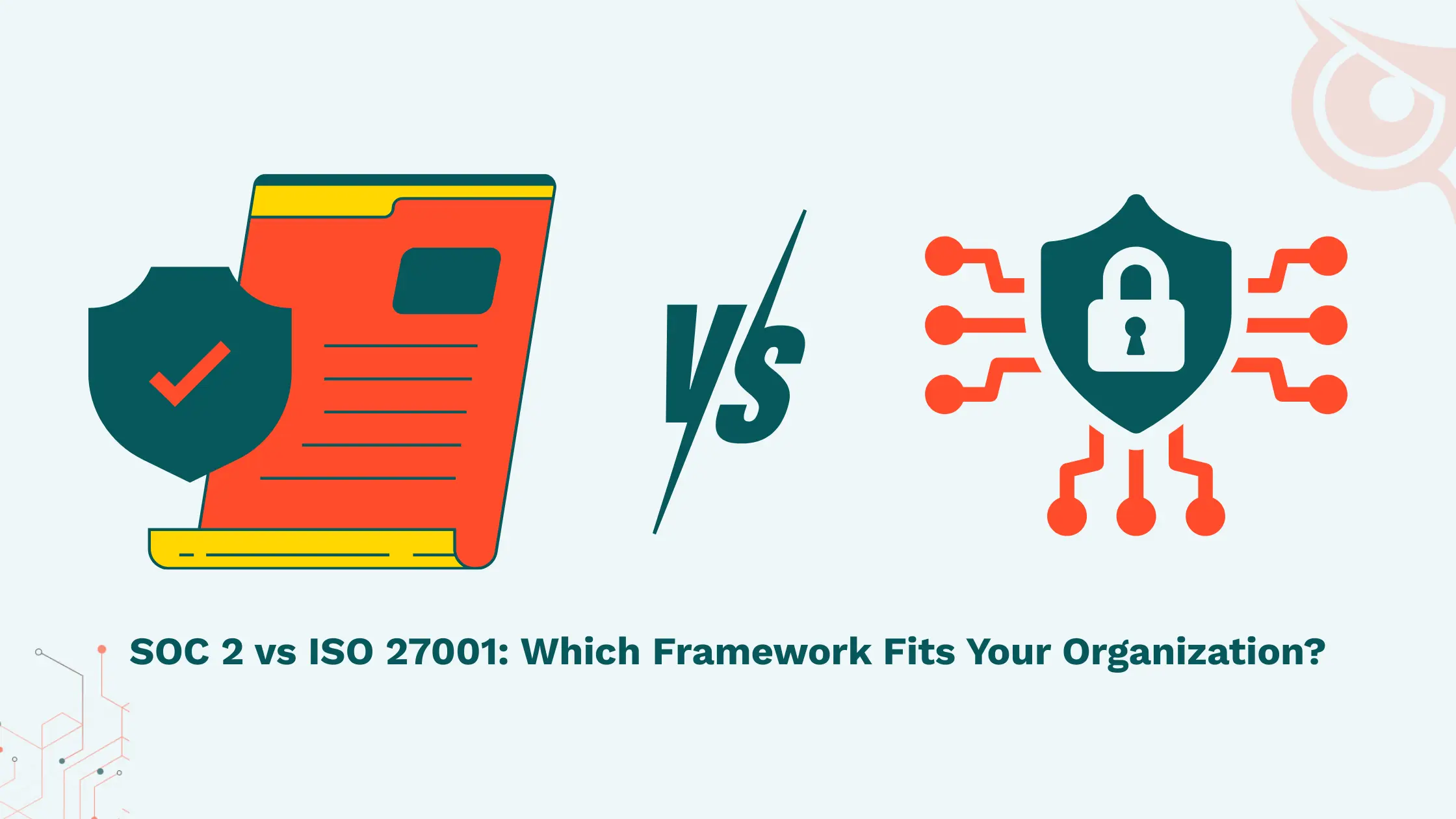
SOC 2 vs ISO 27001: Which Framework Fits Your Organization?
SOC 2 vs ISO 27001: Which Framework Fits Your Organization?

Fiza Nadeem


Security compliance in 2026 requires more than meeting audit checklists. Organizations must build security programs that continuously validate risk, controls, and resilience.
This guide explains how to design a compliance-ready security program aligned with evolving regulatory and operational expectations.
A compliance-ready security program continuously demonstrates control effectiveness, not just audit readiness. Regulators and enterprise customers now expect real-time evidence of risk management and security operations.
According to the World Economic Forum, over 60% of compliance failures stem from control drift between audit cycles, not missing policies. Compliance readiness therefore depends on operational validation, not documentation alone.
Point-in-time audits cannot keep pace with cloud-native and distributed environments. Security controls change faster than annual or quarterly assessments can capture.
Modern infrastructures introduce risks from cloud workloads, APIs, CI/CD pipelines, and third-party integrations. Static compliance models fail to detect exposure created after audits conclude.
Compliance requirements increasingly emphasize continuous risk monitoring and accountability. Regulators now expect demonstrable security governance across the entire technology lifecycle.
Key drivers include:
See relevant regulatory context in FFIEC Cybersecurity Compliance 2025
Compliance-ready programs are built on five operational pillars. Each pillar supports measurable, auditable security outcomes.
Learn more in What Is Continuous Threat Exposure Management and Continuous Threat Exposure Management
.webp)
Compliance controls must reflect modern cloud and network architectures. Traditional perimeter-based security no longer applies.
Security must be embedded into development workflows to maintain compliance. Controls introduced post-deployment are harder to validate.
SOC 2 drives operational security maturity across SaaS and service providers. It requires continuous demonstration of control effectiveness.
SOC 2 emphasizes:
Learn how ioSentrix supports this model in SOC 2 Compliance Solutions
Startups must scale security controls without slowing growth. Early security decisions significantly impact future compliance costs.
Compliance readiness must be measurable and defensible. Leading indicators replace subjective maturity claims.
Key metrics include:
ioSSENTRIX enables continuous security validation aligned with modern compliance requirements. Its approach integrates exposure management, penetration testing, and risk intelligence.
By focusing on operational proof rather than static documentation, ioSentrix helps organizations maintain audit readiness throughout the year.
Compliance success in 2026 depends on continuous security validation and risk awareness. Organizations must move beyond checkbox compliance to operational assurance.
A compliance-ready security program integrates governance, CTEM, cloud security, secure development, and evidence-based testing. This approach reduces regulatory risk and strengthens organizational trust.
Contact ioSENTRIX to assess your security readiness for 2026.