February 6, 2026
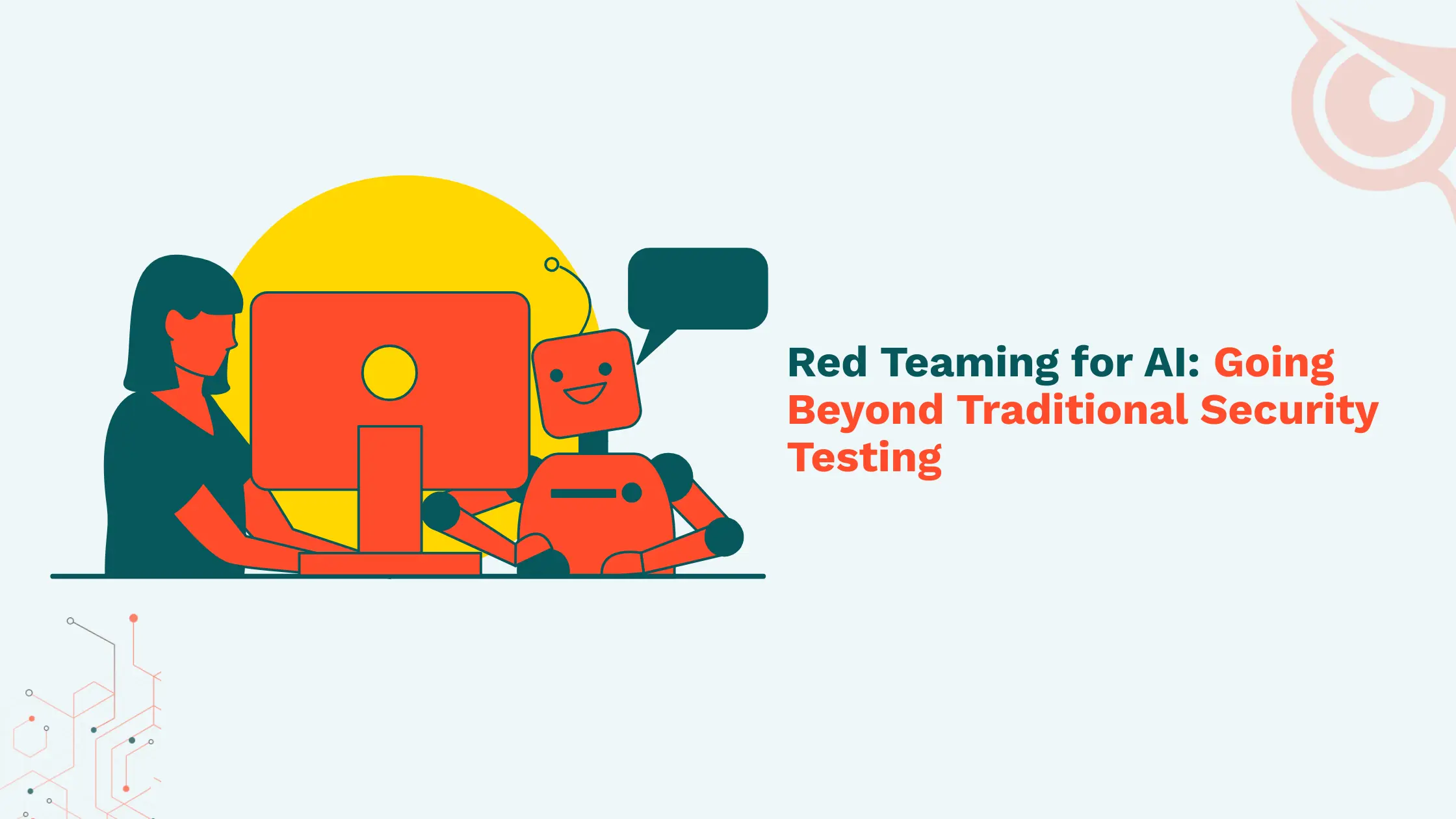
Red Teaming for AI: Going Beyond Traditional Testing
Red Teaming for AI: Going Beyond Traditional Testing

Fiza Nadeem


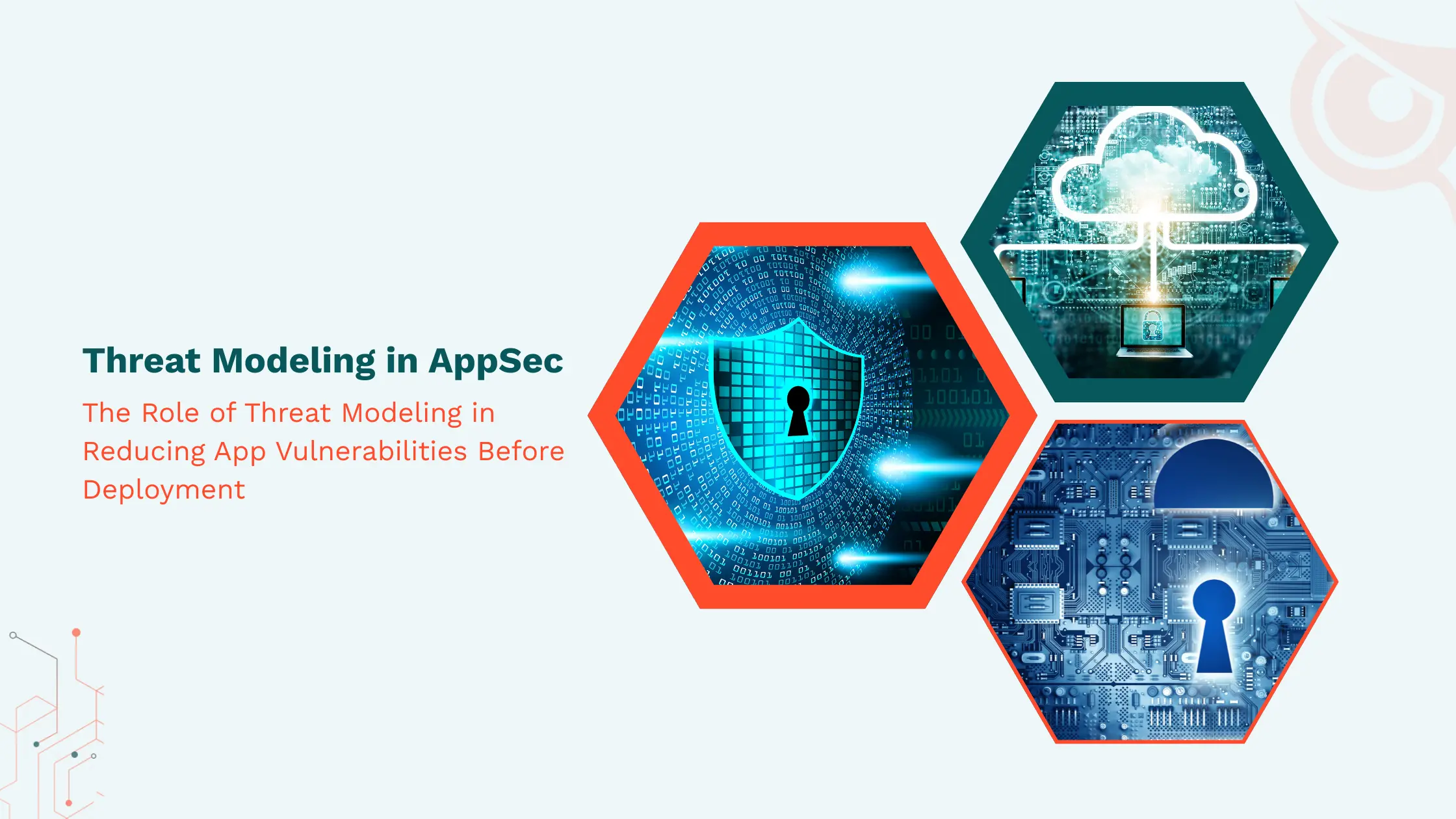
Threat modeling is critical before application deployment because it systematically identifies potential attack paths, design weaknesses, and abuse scenarios before attackers can exploit them.
According to Microsoft Security Engineering guidance, fixing vulnerabilities during design costs up to 30 times less than remediating issues after production release.
As modern applications rely on APIs, cloud services, and third-party components, pre-deployment visibility into threat exposure becomes essential.
Threat modeling provides structured foresight into how attackers may target application logic, data flows, and trust boundaries.
Threat modeling is a proactive AppSec methodology that evaluates how an application could be attacked by analyzing architecture, data flows, assets, and adversary behavior.
It shifts security from vulnerability discovery to risk anticipation. In practical terms, threat modeling involves:
A detailed overview is available in our guide to threat modeling for businesses.
Threat modeling reduces vulnerabilities by uncovering design-level weaknesses that automated testing often misses.
Static and dynamic testing tools focus on implementation flaws, while threat modeling evaluates architectural decisions. Threat modeling helps teams:
According to OWASP, design flaws are among the most difficult vulnerabilities to detect after deployment, making early threat analysis a high-impact control.
Threat modeling should be performed at multiple stages of the SDLC, starting during requirements and updated throughout development.
One-time exercises quickly become outdated in agile environments. Effective timing includes:
Continuous modeling aligns with modern DevSecOps practices and supports faster, safer releases.
Threat modeling complements penetration testing by guiding testing scope toward high-risk attack paths rather than relying on broad, time-bound assessments.
Penetration testing validates exploitability, while threat modeling prioritizes what should be tested. Together, they:
The comparison below highlights why threat modeling plays a foundational role in reducing vulnerabilities before deployment, while traditional testing validates security later in the lifecycle.
.webp)
Threat modeling reduces incident likelihood by identifying exploit chains that lead to data breaches and operational disruption.
Many high-profile breaches stem from predictable design oversights rather than zero-day exploits. Historical breach analysis shows recurring patterns such as exposed APIs, excessive permissions, and weak identity controls.
When incidents do occur, prior threat models accelerate containment and root cause analysis.
Threat modeling strengthens detection and response by aligning security telemetry with known attack paths. When teams understand likely adversary behavior, monitoring becomes more precise.
Threat-informed detection supports:
This alignment enhances value from advanced monitoring technologies such as those explained in what XDR is and how it works.
Threat modeling is essential for regulated and high-risk industries because compliance frameworks increasingly require demonstrable risk analysis.
Standards such as SOC 2 emphasize proactive risk identification. Threat modeling supports:
Compliance-driven teams can reference structured threat analysis to meet expectations outlined in SOC 2 penetration testing requirements.
Organizations operationalize threat modeling by embedding it into engineering workflows rather than treating it as a standalone exercise.
Scalable programs focus on repeatability and developer enablement. Best practices include:
This approach ensures threat modeling remains actionable rather than theoretical.
Teams can get started by identifying critical application assets, mapping data flows, and applying a structured threat framework during design reviews.
ioSENTRIX helps organizations embed threat modeling into the SDLC to eliminate high-risk attack paths before deployment.
Talk to a Threat Modeling Expert and reduce application risk early with structured, adversary-driven analysis.
No, threat modeling scales effectively for organizations of all sizes when applied using lightweight, repeatable frameworks.
No, threat modeling complements penetration testing by improving scope, prioritization, and remediation effectiveness.
Threat models should be updated whenever application architecture, features, or integrations change significantly.
Yes, early identification of design flaws significantly reduces remediation costs compared to post-deployment fixes.